Advertisement
A rare and enigmatic occurrence, blood rain results from the mixing of dust-filled air with rain clouds producing reddish precipitation. The science underlying these phenomena, historical events, and effects on communities is investigated in this paper. We will explore the meteorological factors causing blood rain, dispelling legends, and investigate its cultural value in many civilisations.
1. The Science Behind Blood Rain
Advertisement
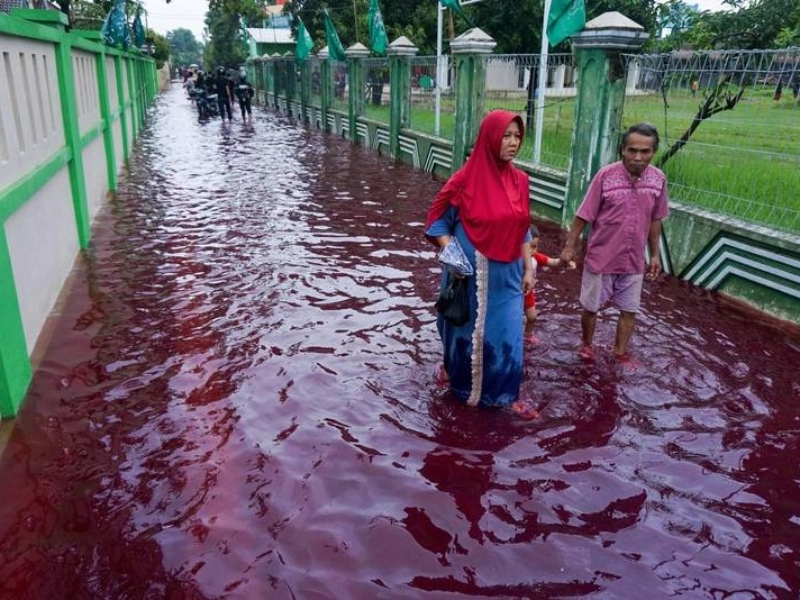
Though its sinister name suggests, blood rain is a natural occurrence with a logical reason. This odd event occurs when strong winds raise dust particles—often from desert areas—high into the skies. After that, these dust particles combine with rain clouds to colour the raindrops and give the impression of blood dropping from the heavens.
In dry areas, the process starts with a dust or sand storm. Strong winds propel minute grains of sand, dust, and other minerals from the ground high into the atmosphere. These particles can go tremendous distances—sometimes across whole continents or oceans. They might come upon rain clouds as they soar over the sky.
The dust particles function as nuclei for water droplets to develop around when they collide with the rain clouds. These dust particles carried by the raindrops give the precipitation a reddish or brownish hue. The concentration of dust particles in the air and rainfall determine the color's intensity.
One should be aware that the term "blood rain" is very deceptive. Neither is the rain really blood nor does it include any organic matter. The mineral component of the dust particles alone produces the red hue. Generally speaking, the hue is more of an orange or reddish-brown than a real blood red.
Scientists track dust storms using satellite images, examine particle composition via air sampling, and do ground-based investigations among other approaches to investigate blood rain. These research enable meteorologists to better grasp the factors of blood rain and enhance their capacity to forecast its occurrence as well as location.
The colour of the rain depends much on the makeup of the dust particles. Usually present in desert sand, iron oxide is the pigment causing the reddish colour. Other minerals might add distinct colours, for brown from many soil components or yellow from sulphur compounds. Furthermore influencing the look of the rain is the size of the particles; finer particles usually produce more vibrant hue.
Knowing the science of blood rain goes beyond mere curiosity-satisfying interest. Practically speaking, it affects public health, climate research, and agriculture among other sectors. For example, the nutrients transported by blood rain could find their place in soil far from their source, therefore benefiting ecosystems. But it can also carry toxins or pathogens, which calls questions regarding illness spread and air quality.