Advertisement
4. Geographical Distribution of Blood Rain Occurrences
Advertisement
Blood rain does not cover the earth in perfect proportion. Its occurrence is tightly related to particular geographical and meteorological conditions. Knowing where blood rain is most likely to strike helps researchers investigate the phenomena and lets communities be more ready for these rare incidents.
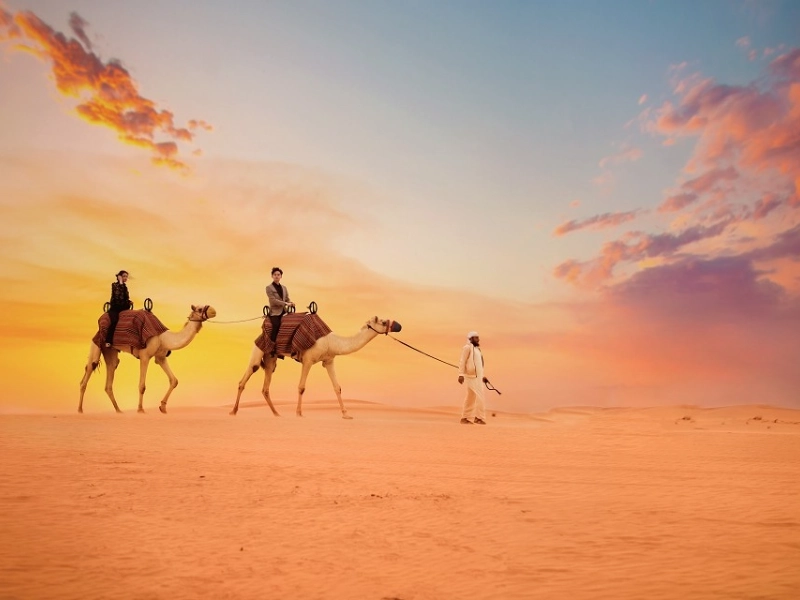
The areas closest to large desert regions are the most often impacted by blood rain. More often than many other regions in the world, North Africa—especially nations around the Sahara Desert—experiences blood rain. Because of their proximity to the world's biggest scorching desert, the Sahara, nations including Morocco, Algeria, Tunisia, and Libya are good sites for the phenomena. With estimates of 60 to 200 million tonnes of mineral dust released into the atmosphere yearly, the Sahara is a plentiful supply.
Blood rain also occurs somewhat regularly in Southern Europe, particularly in Spain, Italy, and Greece. Many times, these events are connected to dust brought northward from the Sahara under high winds. Often rather than functioning as a barrier, the Mediterranean Sea acts as a corridor for dust movement. Blood rain is less prevalent in Northern Europe since the Alps occasionally serves as a natural barrier restricting the northward movement of dust-loaded air masses.
Still another location for blood rain is the Middle East. With their large areas of desert, nations including Saudi Arabia, Iraq, and Iran have plenty of dust sources. Home to the Arabian Desert, the Arabian Peninsula is a major source of dust storms that could cause blood rain both inside and outside of the area. The way the scorching, dry air from these deserts interacts with the moist air from the Mediterranean or the Indian Ocean generates conditions fit for blood.
Blood rain has been documented across Asia including China and India. Especially the Indian subcontinent has seen several noteworthy incidents. One of the most well-known events in recent memory is the 2001 Kerala red rain phenomena, which persisted intermittuously for two months. This event was special since the red hue was ascribed to spore from locally plentiful terrestrial algae instead of desert dust. Particularly in the northern and western parts of China, Gobi Desert dust can help to cause blood rain episodes.
Unbelievably, blood rain can happen far from areas of desert. Reports of incidents in the United Kingdom, hundreds of kilometres from the closest desert have surfaced. Usually, these phenomena are the outcome of dust carried over rather large distances under strong atmospheric circulation patterns. Blood rain has been reported by the UK Met Office multiple times, usually linked with dust from the Sahara brought by southerly winds.
Generally speaking, North and South America sees less blood rain than the Eastern Hemisphere. But occasionally, dust from the Sahara carried across the Atlantic Ocean causes a phenomena known as "Florida blood rain," which affects the south-east United States. Summer is when this trans-atlantic dust movement is most frequent and the Saharan Air Layer is most active. This dust movement affects the Caribbean islands as well; occasionally, they have cloudy sky and poor air quality.
With its vast desert interior, Australia has the possibility for blood rain events, especially in coastal regions where dust storms could interact with rain-bearing systems. Dust for these events might come from Australian outback regions such the Great Victoria Desert and the Simpson Desert. Blood rain is less prevalent in Australia than in areas nearer the Sahara or Arabian deserts, though, because to the continent's relative isolation and dominant wind patterns.
Blood rain frequency in certain areas might change seasonally. For instance, Southern Europe usually experiences more incidents in spring and early summer when meteorological conditions allow Saharan dust to be carried northward. Blood rain is more frequent in the Middle East during the shamal wind season, usually from June to August, when strong northwesterly winds can sweep vast volumes of dust into the atmosphere.
Geographic distribution of blood rain might be changing under influence of climate change. The global map of blood rain events could alter as certain areas are drier and more prone to dust storms while others see variations in precipitation pattern. For example, the recent reported extension of the Sahara Desert could perhaps raise the frequency of blood rain episodes in the nearby areas.
For numerous reasons, one must first grasp the geographical distribution of blood rain. It lets meteorologists enhance their forecasting models, therefore enabling more precise predictions of these phenomena. For many industries, especially aviation, where dust can compromise engine performance and sight, this knowledge is invaluable. Particularly crucial for those with pre-existing diseases like asthma or allergies, it also enables health authorities to get ready for possible respiratory problems brought on by higher air pollution.
Furthermore, the investigation of blood rain dispersion offers important information for climate researchers investigating worldwide dust movement and its consequences on meteorology. A major part of the Earth's climate system, dust influences cloud formation and solar radiation absorption. Tracking blood rain events helps researchers understand broad patterns in atmospheric circulation and possible changes in these patterns over time.
In essence, blood rain is not evenly distributed around the planet even if it might theoretically happen anywhere given the correct environment. The phenomena is most widespread in areas close to big desert regions, especially those around the Arabian and Sahara deserts. But the worldwide character of air circulation means that occasionally even far-off places might undergo this remarkable and sometimes misinterpreted weather occurrence.