Advertisement
An archaeological wonder tucked away in south-east Turkey, Göbekli Tepe has significantly changed our understanding of early human society. With roots in the 10th millennium BCE, this ancient site questions accepted wisdom regarding the capacity of hunter-gatherer tribes and the beginnings of organised religion. Come explore with us the relevance of this amazing discovery and its great ramifications for human history on an illuminating trip throughout time. From its surprising discovery to its sophisticated architecture, from the secrets it bears to its influence on archaeological ideas, Göbekli Tepe continues to enthral experts and history buffs both, providing a window into a past far more complicated than we could have ever dreamed.
1. The Serendipitous Discovery of Göbekli Tepe
Advertisement
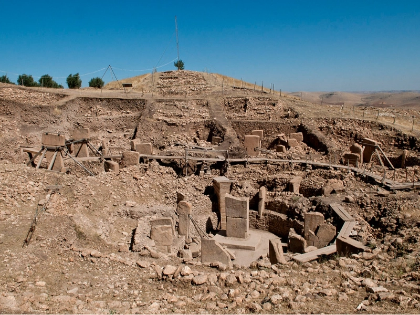
The account of Göbekli Tepe's discovery seems to be one of serendipity, showing how random meetings could result in revolutionary scientific insights. A local shepherd was tending his flock on a hilltop close to the city of Şanlıurfa in south-east Turkey in 1994 when he came upon an odd stone rising out of earth. This apparently small finding will soon result in one of the most important archaeological finds of the 20th century, so changing our knowledge of human prehistory.
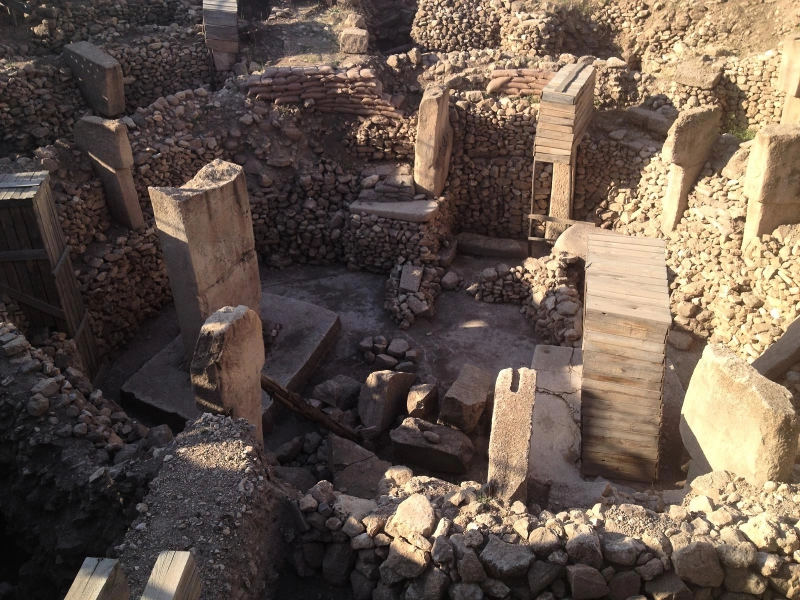
Working in the area, German archaeologist Klaus Schmidt saw the possible value of the site and started digs in 1995. A magnificent network of circular constructions revealed a site of unmatched historical relevance when layers of earth were painstakingly excavated. Unlike anything else found from that age, these constructions—made of large T-shaped pillars painstakingly carved with animal motifs and abstract symbols—were unique.
Göbekli Tepe was unique mostly in its incredible age. At least 6,000 years older than Stonehenge and the oldest Egyptian pyramids, radiocarbon dating found that the oldest layers of the site dated back to about 10,000 BCE. This discovery rocked the archaeological community and questioned accepted wisdom regarding the capacity of ancient cultures and the chronology of human cultural evolution.
Since Göbekli Tepe was discovered, our knowledge of the Neolithic era and the change from hunter-gatherer societies to settled agricultural groups has been reinterpreted. It has offered fresh directions of enquiry and discussion concerning the beginnings of civilisation, religion, and sophisticated social structure. The existence of the site forces historians and archaeologists to rethink the story of human development since it implies that our ancestors were able of far more sophisticated planning, cooperation, and abstract thinking than formerly imagined.
Göbekli Tepe soon became a central focus for scholars from all around as word of the discovery grew. Archaeologists, anthropologists, and academics from many fields have drawn to the site in great eagerness to decipher its secrets and significance in human history. With every find, the continuous digs provide fresh insights that add still another piece to the puzzle of our ancient past. The narrative of Göbekli Tepe reminds us strongly of the possibility for revolutionary discoveries still buried under the ground just waiting to be uncovered and transform our knowledge of human history.